This should only be used if all other sources of money have been exhausted
Amount to target for emergency fund
6 months to 2 years of living costs
Living costs should include each and every expense that happens, including subscriptions, club memberships, etc
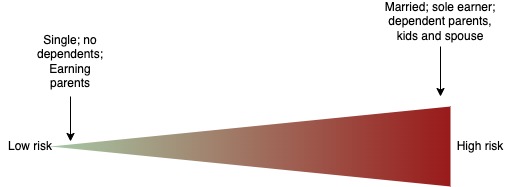
Lower the risk to the household, lower the amount we need to save
If you are the sole earner of the family, and you have non-earning dependents (including kids and parents), then you are at high risk
Where to keep the emergency fund
Best and safest product is fixed deposit
Try to get hold of flexi-FDs that allow you to sweep out a part of the total deposited amount. This will allow you to withdraw just the amount you need, rather than breaking the entire deposit.
Alternative option - short term debt funds
If you are familiar with mutual funds, then you can also park the emergency fund in a short term debt fund.
Choose a conservative fund, not aggressive
Don’t buy a product based on just high returns
Ensure that the top holding of the debt fund is in AAA-rated bonds